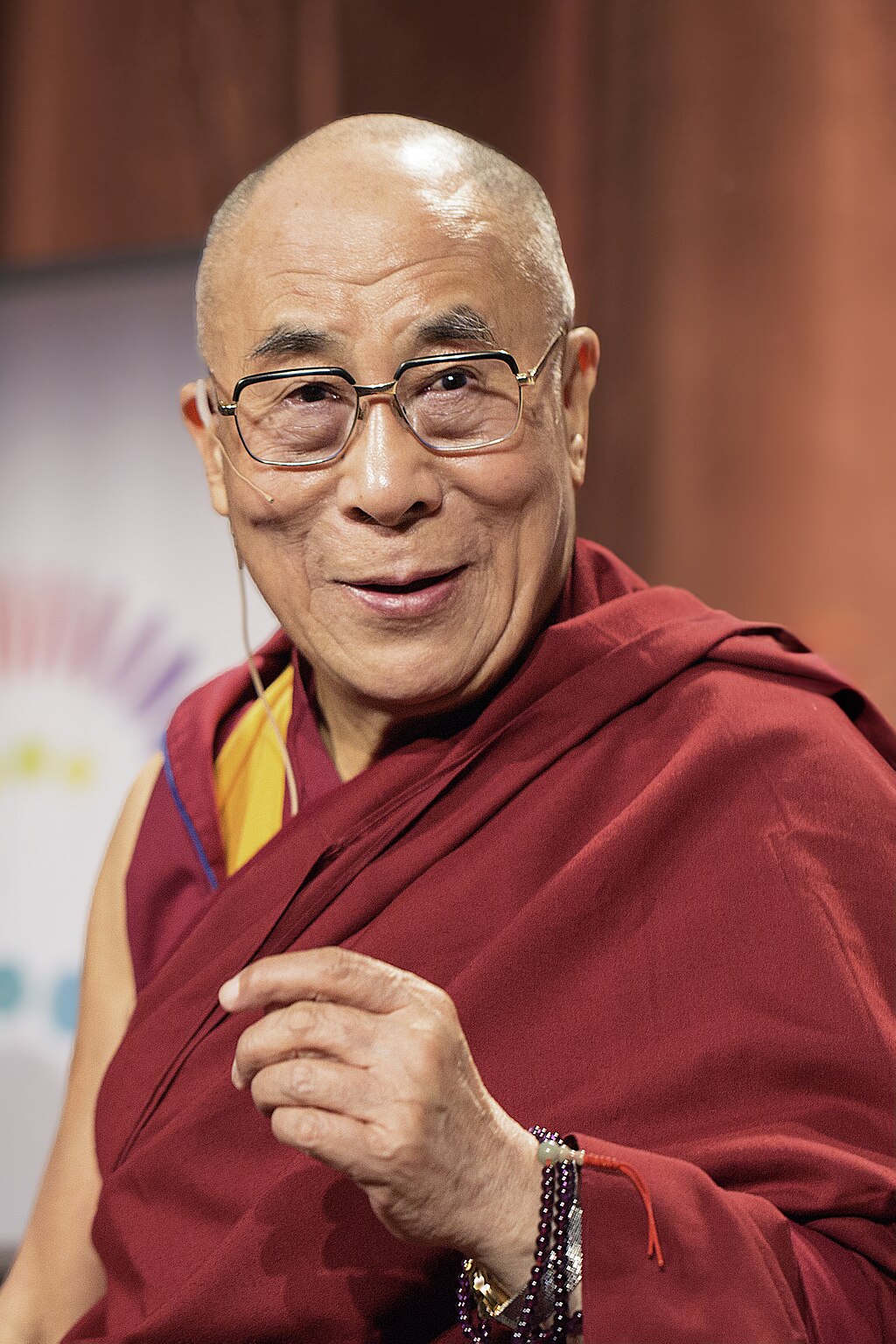
Transformative Potential in the Face of Adversity
The Dalai Lama's assertion that "It is under the greatest adversity that there exists the greatest potential for doing good" invites us to reconsider our relationship with hardship. In moments of struggle, we often find ourselves at a crossroads, where the weight of our challenges can either crush our spirit or ignite a profound transformation. This perspective is not merely optimistic; it is a call to recognize the latent possibilities that adversity can unveil, urging us to harness our inner strength for the benefit of ourselves and others.
Understanding this quote requires us to delve deeper into the nature of adversity itself. It is easy to view challenges as mere obstacles, but the Dalai Lama encourages us to see them as fertile ground for growth and compassion. In the crucible of suffering, we may discover resilience, empathy, and a renewed sense of purpose. This teaching resonates deeply in a world rife with difficulties, reminding us that our responses to adversity can shape not only our own lives but also the lives of those around us.
The image / the metaphor
The imagery within the Dalai Lama's quote evokes a landscape of struggle, where adversity serves as both a backdrop and a catalyst for potential goodness. The verbs "exist" and "do" suggest an active engagement with hardship, implying that it is not enough to merely endure suffering; we must also seek to transform it into something beneficial. This dynamic interplay between adversity and potential creates a vivid tapestry of human experience, where the darkest moments can illuminate the path toward altruism and kindness.
Diving deeper into the metaphor, we can see adversity as a crucible that refines our character. Just as metal is forged in fire, our spirits are often tempered through trials. The notion of potential suggests that within each challenge lies an opportunity waiting to be realized. This perspective shifts our understanding of suffering from a burden to a transformative force, encouraging us to embrace our struggles as essential components of our spiritual journey.
In the speaker's tradition
Within the context of Tibetan Buddhism, the Dalai Lama's teaching resonates with core concepts such as *dharma* and *sunyata*. *Dharma*, often translated as the path of righteousness, emphasizes the importance of ethical conduct and compassion, especially in the face of adversity. The idea of *sunyata*, or emptiness, further enriches this understanding by suggesting that our perceptions of suffering and hardship are often clouded by attachment and aversion. Recognizing the emptiness of these constructs allows us to approach adversity with a sense of openness and possibility.
A relevant text that echoes this sentiment is the *Bodhicaryavatara* by Shantideva, which teaches that the path to enlightenment is paved with the willingness to embrace suffering for the sake of others. Shantideva writes about the transformative power of compassion, suggesting that through our own struggles, we can cultivate a deeper understanding of the suffering of others. This interconnectedness underscores the Dalai Lama's assertion that adversity can be a powerful catalyst for doing good.
Living the teaching
Consider a modern scenario where this teaching might resonate: a community grappling with the aftermath of a natural disaster. In the face of destruction, individuals often rise to the occasion, offering support, resources, and compassion to those in need. This collective response illustrates how adversity can galvanize a community, revealing the inherent goodness within people when faced with shared challenges. The potential for doing good emerges not only from the act of helping but also from the deepened connections forged through shared suffering.
This teaching can also manifest in personal relationships, particularly during conflicts or misunderstandings. When faced with a difficult conversation, one might choose to approach it with empathy rather than defensiveness. By recognizing that both parties are experiencing their own forms of adversity, we can cultivate a space for healing and understanding. In these moments, the potential for doing good lies in our ability to listen, to forgive, and to grow together, transforming the adversity of conflict into an opportunity for deeper connection.
A reflection
As we contemplate the Dalai Lama's words, we are invited to reflect on our own experiences with adversity. What challenges have you faced that ultimately led to personal growth or a deeper understanding of compassion? In what ways can you harness the potential for goodness that lies within your struggles? These questions encourage us to engage with our hardships not as burdens but as opportunities for transformation, reminding us that within every shadow, there is a flicker of light waiting to be ignited.




Join the BrightStar Community
Stay connected with daily inspiration, event announcements, and community wisdom