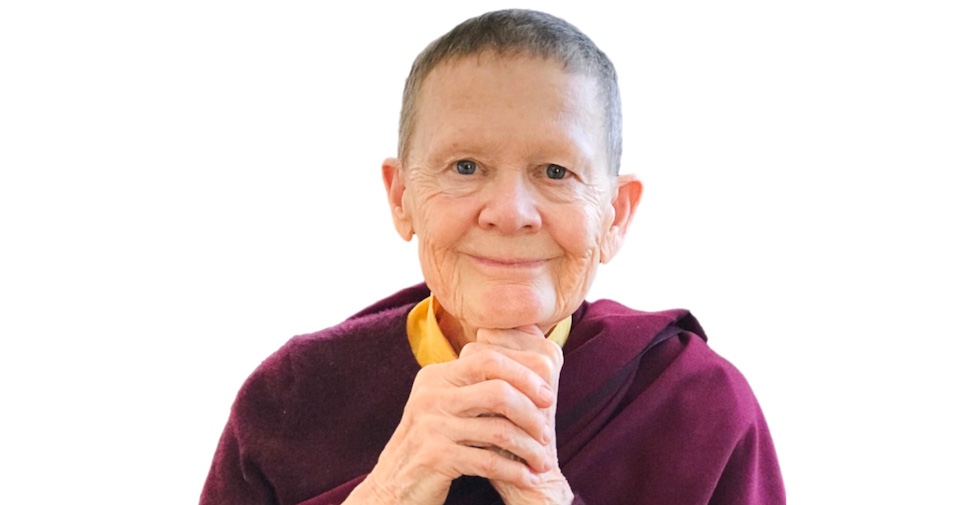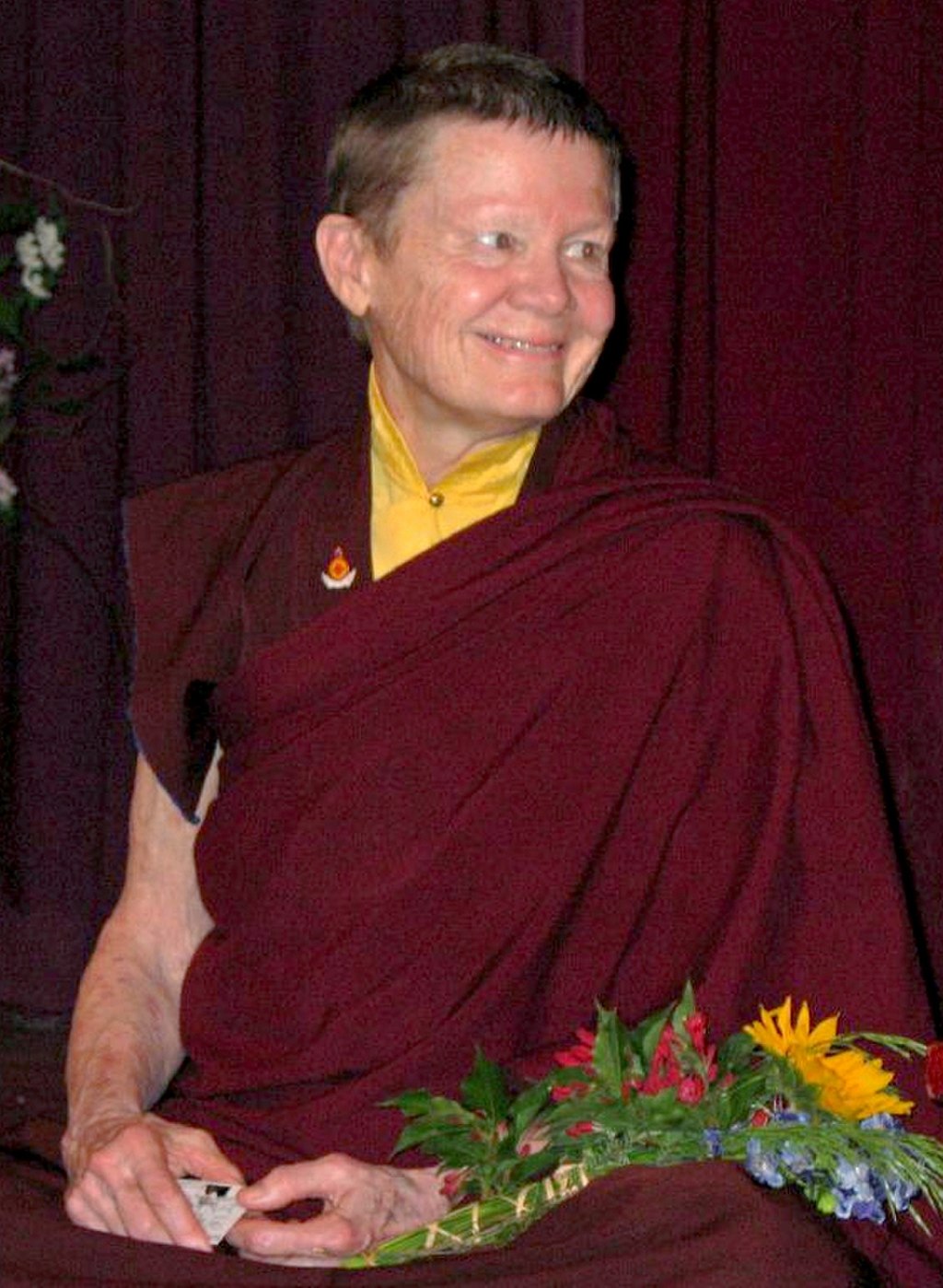
The Heart of Compassion: Unveiling Our Highest Potential
Pema Chödrön's assertion that "compassion is the ultimate expression of the highest human potential" invites us to reflect deeply on the nature of our existence and the profound capabilities inherent within us. In a world often marred by division and misunderstanding, this statement serves as a beacon, illuminating the path toward a more connected and loving humanity. It challenges us to consider how compassion not only enriches our lives but also serves as a transformative force that can elevate our collective experience.
To grasp the weight of Chödrön's words, we must first recognize that compassion is not merely an emotional response; it is an active engagement with the world that requires courage, vulnerability, and wisdom. This quote beckons us to explore the depths of our potential, suggesting that our greatest achievements are not found in accolades or material success, but in our ability to empathize with others and respond to their suffering with love and understanding. In this light, compassion becomes a powerful catalyst for personal and societal change, urging us to transcend our limitations and embrace a more expansive view of what it means to be human.
The image / the metaphor
The imagery embedded in Chödrön's quote evokes a sense of elevation and aspiration. The term "ultimate expression" suggests a culmination, a peak that we strive to reach, while "highest human potential" implies an innate capacity that lies dormant within us, waiting to be awakened. The verbs chosen—"expression" and "potential"—convey a dynamic process, one that requires active participation and engagement. This metaphor of compassion as a pinnacle invites us to envision a journey where each act of kindness and understanding brings us closer to our true selves.
Diving deeper into this metaphor, we can see compassion as a bridge connecting our individual experiences to the collective human condition. It is through acts of compassion that we transcend our personal struggles and recognize the shared vulnerabilities that unite us all. This interconnectedness is not merely a philosophical concept; it is a lived reality that can transform our interactions and relationships. By embracing compassion, we not only express our highest potential but also contribute to a more harmonious world, where love and understanding prevail over fear and division.
In the speaker's tradition
Pema Chödrön's teachings are deeply rooted in Tibetan Buddhism, a tradition that emphasizes the importance of compassion as a fundamental aspect of the path to enlightenment. Central to this tradition is the concept of "bodhicitta," the awakened mind that aspires to attain enlightenment for the benefit of all beings. This notion aligns seamlessly with Chödrön's assertion, as it underscores the idea that our highest potential is realized not in isolation but in our capacity to care for others. The practice of compassion is thus not only a personal endeavor but a collective one, fostering a sense of interconnectedness that is vital to the Buddhist path.
In her work, Chödrön often references the teachings of the Buddha, who emphasized the importance of compassion through various discourses. One such text, the "Bodhisattva Vows," articulates the commitment to cultivate compassion and wisdom for the sake of all sentient beings. This commitment reflects the essence of Chödrön's quote, as it highlights the transformative power of compassion in realizing our highest potential. By embodying these teachings, we can navigate the complexities of life with grace and understanding, ultimately contributing to a more compassionate world.
Living the teaching
Consider a modern scenario where this teaching can take root: a workplace conflict that has escalated into a toxic environment. In such a situation, the practice of compassion can serve as a powerful antidote. By approaching colleagues with empathy and a willingness to understand their perspectives, we can begin to dissolve the barriers that divide us. This act of compassion not only fosters a healthier work environment but also allows individuals to feel seen and valued, thereby unlocking their potential to contribute positively to the team.
Another application of this teaching might arise in personal relationships, particularly during moments of tension or disagreement. When faced with a loved one’s pain or frustration, the instinct may be to defend oneself or to retreat into silence. However, by choosing to respond with compassion—by listening deeply and validating their feelings—we create a space for healing and connection. This practice not only strengthens the bond between individuals but also cultivates a deeper understanding of our shared humanity, reinforcing the idea that compassion is indeed the ultimate expression of our highest potential.
A reflection
As we contemplate Chödrön's profound assertion, we are invited to ask ourselves: How can I cultivate compassion in my daily life, and what barriers do I need to overcome to express my highest potential? This question encourages introspection and invites us to explore the ways in which we can embody compassion, both for ourselves and for others. In doing so, we may discover that the journey toward our highest potential is not a solitary endeavor but a shared experience that enriches the tapestry of our lives.