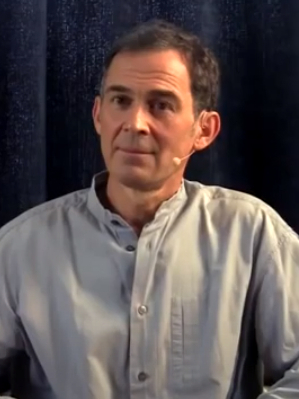
The Unchanging Witness in a World of Change
Rupert Spira's assertion that "Experience changes, but the awareness of experience does not" invites us to explore the profound distinction between the transient nature of our experiences and the enduring quality of awareness itself. In a world characterized by constant flux—where emotions, thoughts, and circumstances shift like the tides—this insight serves as a beacon of stability. Understanding this distinction is not merely an intellectual exercise; it has the potential to transform our relationship with life, offering a refuge amidst chaos and uncertainty.
As we delve deeper into this quote, we recognize that it speaks to a fundamental aspect of human existence: the interplay between the ephemeral and the eternal. Our experiences, whether joyful or painful, are fleeting, yet the awareness that observes these experiences remains a constant presence. This awareness is not just a passive observer; it is the very essence of our being, a source of clarity and peace that can guide us through the vicissitudes of life. By anchoring ourselves in this awareness, we can cultivate a sense of equanimity, allowing us to navigate the ever-changing landscape of our lives with grace and wisdom.
The image / the metaphor
At first glance, the imagery in Spira's quote evokes a sense of duality: the dynamic nature of experience contrasted with the stillness of awareness. The verb "changes" suggests movement, transformation, and the inevitable passage of time, while "does not" conveys a sense of permanence and constancy. This juxtaposition creates a vivid picture of life as a river, ever-flowing and shifting, while the awareness that perceives this river remains like a tranquil lake, reflecting the changing scenery without itself being altered.
Diving deeper into this metaphor, we can envision awareness as the sky that holds the clouds of our experiences. Just as the sky remains unchanged regardless of the weather, our awareness remains untouched by the fluctuations of our thoughts and feelings. This understanding invites us to cultivate a relationship with our experiences that is less about attachment and more about observation. By recognizing that we are not our experiences, we can begin to see them for what they are—temporary phenomena that arise and dissolve within the vastness of our awareness.
In the speaker's tradition
Rupert Spira's teachings are rooted in the non-dual tradition, which emphasizes the interconnectedness of all existence and the realization of our true nature as awareness itself. This perspective aligns closely with concepts such as *sunyata* (emptiness) in Buddhism, which teaches that all phenomena are transient and devoid of inherent existence. Similarly, the notion of *fana* in Sufism speaks to the dissolution of the self in the face of the divine, highlighting the importance of recognizing the impermanence of our experiences while remaining anchored in the eternal essence of being.
In Spira's work, the exploration of awareness is often illuminated through the lens of *prajna*, or wisdom, which arises from direct experience rather than intellectual understanding. This aligns with the teachings found in texts such as the *Upanishads*, where the nature of the self is explored as the unchanging witness to the play of life. By engaging with these ancient texts, we can see how the insights of awareness and change have been contemplated across cultures and epochs, inviting us to deepen our understanding of our own experience.
Living the teaching
Consider a modern scenario where this teaching resonates: a person navigating the challenges of a demanding job. Each day brings a whirlwind of tasks, deadlines, and interpersonal dynamics that can evoke a range of emotions—from stress and frustration to satisfaction and joy. By recognizing that these experiences are transient, the individual can cultivate a sense of awareness that allows them to step back and observe their reactions without becoming entangled in them. This shift fosters resilience, enabling them to respond to challenges with clarity rather than reactivity.
In the context of relationships, the teaching can also be transformative. Imagine a couple facing a disagreement; emotions may run high, and the experience of conflict can feel overwhelming. However, if both partners can remember that their feelings are temporary and that their awareness of the situation is a stable foundation, they can approach the conversation with a sense of calm and understanding. This awareness allows them to listen deeply and respond thoughtfully, rather than being swept away by the storm of their emotions, ultimately fostering a deeper connection and mutual respect.
A reflection
As we contemplate the wisdom embedded in Spira's quote, we are invited to ask ourselves: How can I cultivate a deeper awareness of my experiences, recognizing their transient nature while remaining anchored in the constancy of my true self? This question encourages us to explore the spaces between our thoughts and feelings, inviting us to witness our lives with a sense of openness and curiosity. In doing so, we may find that the essence of who we are is not defined by our experiences, but rather by the awareness that holds them.




Join the BrightStar Community
Stay connected with daily inspiration, event announcements, and community wisdom