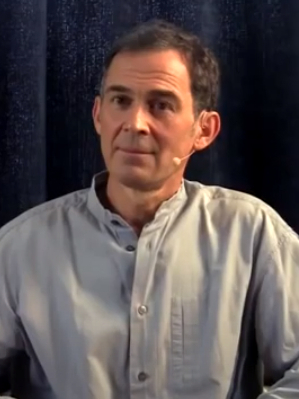
Embracing the Authentic Self: The Wisdom of Experience
Rupert Spira's assertion, "Trust the truth of your own experience," invites us to delve into the depths of our personal realities, urging us to honor the insights that arise from within. In a world often saturated with external opinions and societal expectations, this call to authenticity becomes a vital compass for navigating our lives. The stakes are high; to trust our experiences is to embrace our unique journey, fostering a sense of inner peace and clarity that can guide us through the complexities of existence.
At its core, this quote challenges us to recognize the inherent value of our lived experiences as a source of wisdom. It encourages a shift from seeking validation outside ourselves to cultivating an inner trust that resonates with our true nature. This journey towards authenticity is not merely a personal endeavor; it is a collective awakening that can inspire others to embark on their own paths of self-discovery and acceptance. In this light, Spira's words resonate as a gentle reminder of the power we hold within to shape our understanding of reality.
The image / the metaphor
The imagery in Spira's quote evokes a sense of grounding and stability, suggesting that our experiences serve as a solid foundation upon which we can build our understanding of ourselves and the world. The verb "trust" implies a deep-seated belief in the validity of our perceptions, urging us to lean into our feelings and insights rather than dismissing them. This act of trusting is not passive; it requires an active engagement with our inner landscape, a willingness to explore the nuances of our experiences without judgment.
Diving deeper into the metaphor, we can envision our experiences as a vast ocean, rich with currents and depths that hold both treasures and challenges. To trust this ocean is to acknowledge its complexity, recognizing that every wave of emotion and thought contributes to the tapestry of our existence. In this sense, trusting our experience becomes an act of embracing the full spectrum of life, allowing us to navigate its ebbs and flows with grace and authenticity.
In the speaker's tradition
Rupert Spira's teachings are rooted in the non-dual tradition, which emphasizes the interconnectedness of all beings and the illusion of separation. Concepts such as *sunyata* (emptiness) and *fana* (annihilation of the self) resonate with the idea of trusting one's experience, as they invite us to transcend the ego's limitations and recognize the underlying unity of existence. In this context, trusting our experiences becomes a pathway to realizing our true nature, which is not confined to individual narratives but is part of a greater whole.
In the realm of non-duality, the *Upanishads* offer profound insights into the nature of self and experience. For instance, the *Chandogya Upanishad* speaks of the essence of reality as *Brahman*, the ultimate truth that pervades all existence. By trusting our own experiences, we align ourselves with this deeper truth, allowing the wisdom of our lived moments to guide us toward a more profound understanding of our place in the cosmos.
Living the teaching
Consider a modern scenario where an individual grapples with the decision to pursue a career path that diverges from societal expectations. In this context, trusting the truth of one’s own experience becomes essential. The individual may feel a calling towards a creative pursuit, yet the weight of external opinions creates doubt. By embracing their inner truth, they can navigate this tension, ultimately choosing a path that resonates with their authentic self, leading to fulfillment and joy.
A reflection
As we contemplate the essence of Spira's quote, we are invited to reflect on our own experiences and the truths they reveal. What aspects of your life have you hesitated to trust, and how might embracing those truths transform your journey? In this inquiry, we find an opportunity to deepen our relationship with ourselves, cultivating a sense of authenticity that resonates through every facet of our lives.



Join the BrightStar Community
Stay connected with daily inspiration, event announcements, and community wisdom